Why Do Humpback Whales Have Different Blow Patterns?
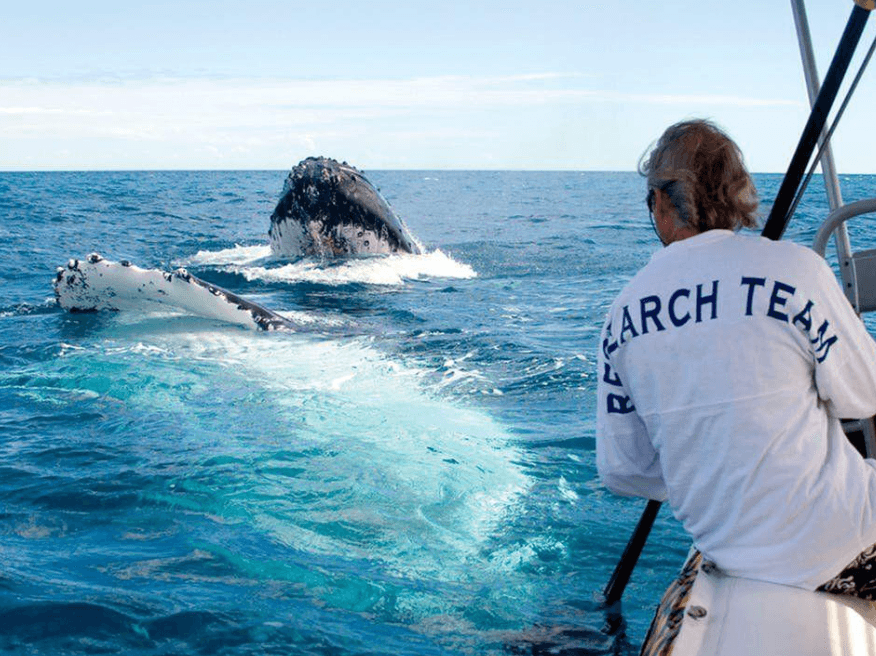
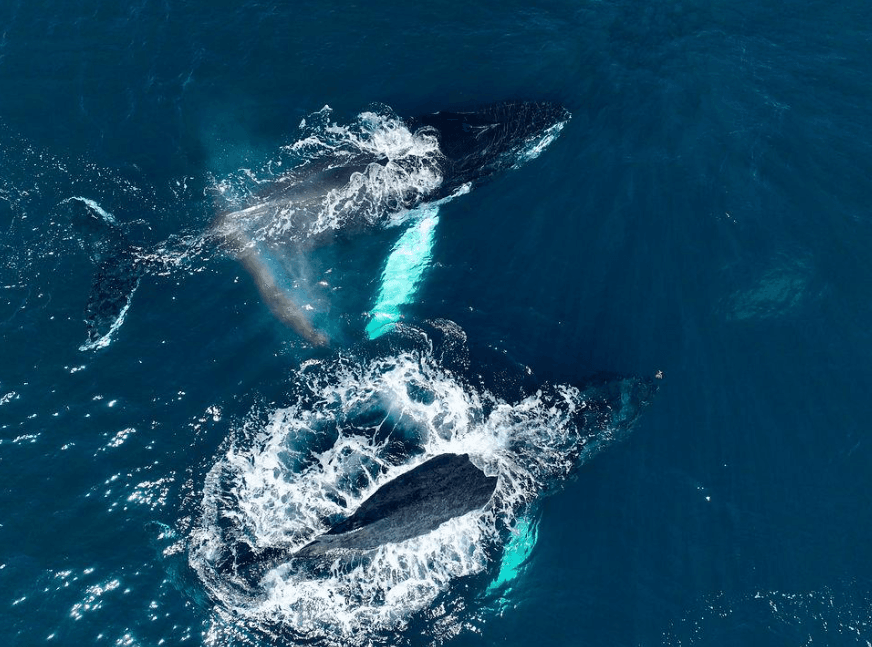
One of the easiest things to notice during a humpback whale sighting is the spray that rises above the water when the whale surfaces to breathe. Sometimes it looks like a tall plume. At other times, it appears shorter, wider, or less distinct. From a whale-watching boat in Samaná Bay, these differences can make each surfacing look slightly different.
But why do humpback whales appear to have different blow patterns?
The answer involves both the whale and its surroundings. The visible blow is produced when the whale exhales through its blowholes, but wind, light, distance, and viewing angle can change how the spray appears to an observer.
Understanding these factors can help visitors recognize a humpback whale surfacing while avoiding common misconceptions about what its blow reveals.
What Is a Humpback Whale's Blow?
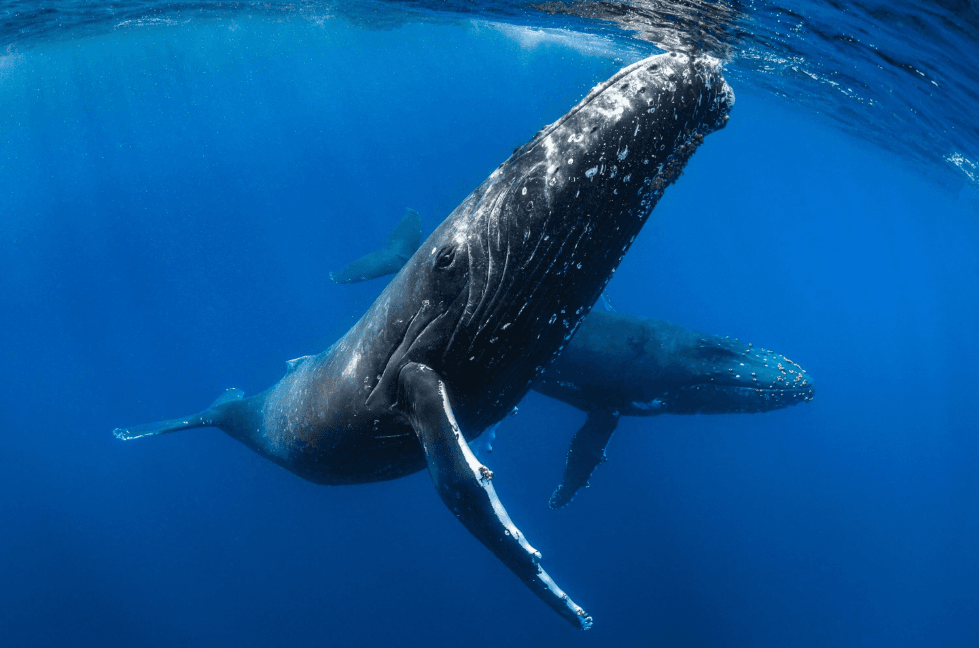
Humpback whales are mammals, so they breathe air rather than extracting oxygen from the water. Unlike humans, they breathe through blowholes located on top of their heads.
When a whale surfaces to breathe, it can force air out through these openings. The warm, moist exhaled air and droplets of water around the blowholes create the visible plume commonly called a whale's blow or spout.
The spray is not simply seawater being expelled from the whale's lungs. It is primarily associated with exhaled air and condensed moisture, together with water droplets around the blowholes and on the surrounding skin.
Because the blow is produced during a brief surfacing event, it can be difficult to see clearly from a distance. Yet it remains a useful clue that a whale has reached the surface to breathe.
1. Wind Can Change the Shape of the Blow
Wind is one of the most important reasons a whale's blow can look different from one moment to another.
When the whale exhales, the spray rises into the air. If the wind is blowing, it can push the plume sideways, scatter droplets, or make the spray appear less vertical.
From a boat, a blow that rises almost straight upward in calm conditions may look angled or dispersed when the wind is stronger.
This does not necessarily mean the whale changed how it breathed. The surrounding air can alter the visible shape after the whale exhales.
When watching humpbacks in Samaná Bay, pay attention to the direction of the wind as well as the whale's position. You may notice that several blows from the same animal look different even when the whale is surfacing in a similar way.
2. The Amount of Visible Moisture Can Vary
A whale's blow is a short event, and the visible plume depends partly on moisture in the exhaled air and droplets around the blowholes.
Temperature, humidity, and atmospheric conditions can affect how visible the plume becomes. The droplets may disperse quickly, making the blow difficult to distinguish against the background.
This is one reason photographs of the same whale can show very different-looking blows. One image may capture the plume at its most visible moment, while another may be taken after much of the spray has dispersed.
A photograph therefore records only a brief instant. It cannot fully describe every part of the whale's breathing cycle or establish that the animal's breathing has changed in a meaningful way.
3. The Whale's Position Affects What You See
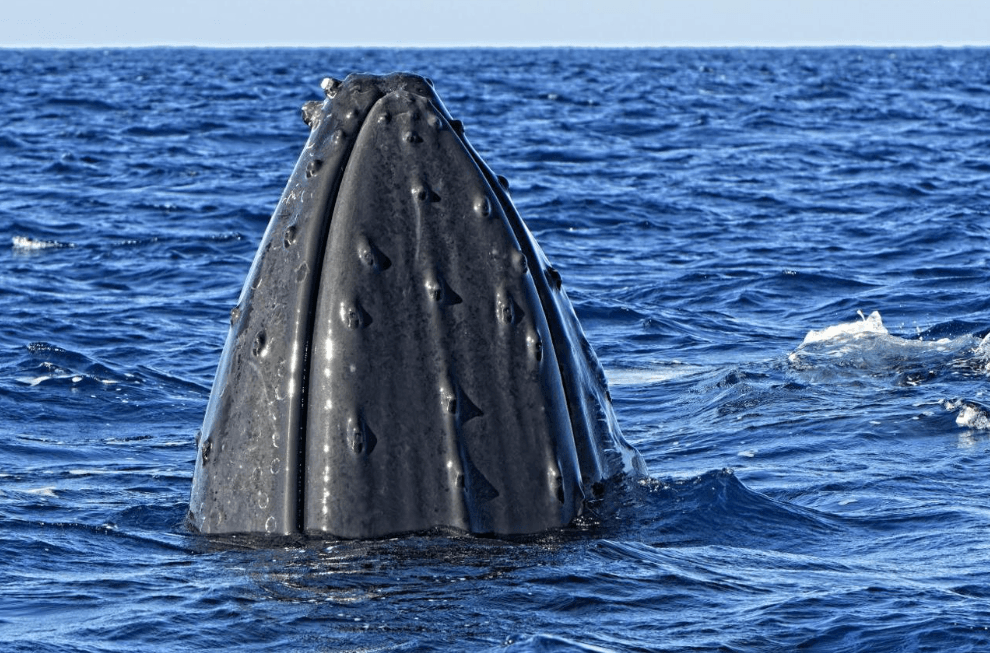
A whale's head may be oriented differently each time it surfaces. The angle of its head, the position of the blowholes relative to the water, and the observer's viewing direction can all influence how the blow appears.
If the whale surfaces at an angle, the plume may seem to rise from one side of its head. If the viewing angle is different, the same general event may look more centered.
Distance also matters. A whale seen from far away may produce a plume that appears small or faint. A closer view, from a legally permitted and responsible viewing distance, may reveal more detail.
For this reason, a difference in the apparent shape of the blow does not necessarily indicate a difference in the whale's identity or physical condition.
4. Why Can One Blow Look Tall and Another Look Short?
The apparent height of a whale's blow depends on several factors, including the amount of visible spray, wind, moisture, lighting, and the moment at which an observer looks.
A tall plume in a photograph may have been captured immediately after the whale exhaled. A shorter-looking plume may have been photographed as the droplets were already dispersing.
The camera's shutter speed, exposure, zoom, and focus can also affect how much detail appears in the image.
It is therefore best to describe the visible event rather than assign a precise biological meaning to its height.
A short-looking blow is not automatically a sign of weak breathing, and a tall-looking blow is not proof that the whale is healthier or more active.
5. Do Humpback Whales Always Breathe the Same Way?
No two surfacing events need to look exactly alike. A whale may surface, exhale, inhale, and submerge again, with the timing and appearance of its breaths varying across an encounter.
The pattern an observer sees may also be incomplete. The whale may be partly hidden by waves, the boat may change position, or the observer may miss one of several surfacing events.
A single photograph or brief sighting is not enough to determine a whale's usual breathing pattern.
Researchers studying whale breathing would need systematic observations and appropriate methods to evaluate meaningful changes over time. Visitors can still make useful observations, but they should avoid treating every difference in the blow as evidence of a specific physiological change.
6. Can the Blow Pattern Help Identify an Individual Whale?
A whale's blow can help an observer notice that an animal has surfaced, but the appearance of the spray is not generally a dependable standalone method for identifying an individual humpback whale.
Wind, viewing distance, lighting, and camera settings can change the visible plume considerably. Even the same whale may appear to have a different blow from one surfacing to the next.
Researchers often use more reliable identification features, including photographs of the underside of humpback whale tail flukes and other distinguishing characteristics, depending on the research method.
If you see several whales during a Samaná excursion, it is better to use confirmed visual features and the guide's observations rather than attempting to identify an individual from its blow alone.
7. Can a Whale's Blow Tell You If It Is Healthy?
The visible blow by itself cannot reliably establish whether a whale is healthy, ill, tired, or injured.
A plume that looks unusual in a photograph may simply be affected by wind, water droplets, distance, or the camera angle. Determining an animal's health requires much more information than a single visual feature.
If trained researchers or wildlife authorities are assessing a whale, they may consider multiple observations and other evidence. Visitors should not diagnose a whale's condition based on the height, color, or shape of its blow.
This distinction is particularly important when sharing wildlife photographs online. A dramatic or unusual-looking plume does not automatically indicate a problem.
8. Why Is the Blow Easier to See in Some Conditions?
Visibility changes with the environment. The contrast between a plume and the background can make a major difference in how easily a whale's blow is seen.
Against a darker sea or a contrasting background, droplets may be easier to notice. Bright glare, haze, or a background of breaking waves can make the same plume less distinct.
The observer's position matters too. From a moving boat, a brief change in angle can bring the spray into clearer view or hide it almost immediately.
These differences can make two whale encounters feel very different even when the whales are performing broadly similar surfacing movements.
If you are watching whales in Samaná Bay, remember that conditions change throughout the day. A clear view at one moment does not guarantee the same visibility a few minutes later.
9. How Can You Photograph a Whale's Blow?
Capturing the blow can be challenging because the plume appears and disperses quickly. If you are interested in photographing this feature, try to observe the whale's surfacing rhythm rather than reacting only after the spray becomes visible.
A few practical tips can help:
Watch the whale's head. The blow usually becomes visible when the animal surfaces, so keeping the head in view can help you anticipate the moment.
Use a suitable shutter speed. A faster shutter speed can help capture moving droplets in sufficient light.
Keep the composition flexible. Leave room above the whale in the frame so the plume is not cut off.
Take a short sequence when practical. Several frames may capture different stages of the same blow.
Check the background. A contrasting background may make the spray easier to see, depending on light and weather.
Prioritize safe observation. Follow the captain's instructions and do not encourage a boat to approach too closely for a photograph.
You do not need to capture a perfectly shaped plume to enjoy the encounter. A photograph of the whale surfacing can be valuable even when the spray is faint.
10. What Can Visitors Learn by Watching Several Surfacing Events?
Observing multiple surfacing events can help visitors appreciate how a whale moves between breathing and underwater activity.
Rather than concentrating only on the shape of the spray, look for the sequence around it. Does the whale surface more than once Is its back visible after the blow Does it move away or remain in the same general area?
You can also notice the conditions during each observation. The wind may shift, the sunlight may change, or the viewing angle may improve.
These details can explain why the same whale looks different from one moment to the next.
Keep in mind that surface observations provide only a partial view of an animal that spends much of its life underwater. A whale's visible behavior is interesting, but it cannot answer every question about what is happening beneath the surface.
Whale Watching in Samaná Bay
Samaná Bay in the Dominican Republic is well known for seasonal visits by migrating humpback whales. Visitors during the whale-watching season may observe whales surfacing to breathe, moving across the water, and occasionally displaying other visible behaviors.
The appearance of a whale's blow is not predictable, however. Weather, sea conditions, distance, and the whale's own movements influence what visitors see.
Before planning your trip, check current seasonal information and review the details of available excursions. Choose an operator that follows applicable wildlife-viewing rules and prioritizes responsible observation.
A successful wildlife experience does not depend on seeing a particular spray pattern. Even a brief view of a whale surfacing to breathe can provide a memorable connection with marine life.
How to Observe Whale Blows Responsibly
If you see a humpback whale exhaling at the surface, observe from a safe and permitted distance. Avoid pursuing the animal or asking the boat operator to move closer solely to obtain a clearer photograph.
Responsible whale watching includes following the crew's instructions, respecting local regulations, and allowing whales to surface and move naturally.
Remember these simple guidelines:
- Keep a safe position on the boat.
- Follow your guide's instructions and applicable wildlife-viewing rules.
- Do not try to touch, feed, or attract a whale.
- Avoid interpreting a single blow as proof of a whale's health or identity.
- Photograph from the permitted viewing position.
- Allow the animal to move away without pursuit.
Respectful observation protects the animals and helps preserve the experience for other visitors.
Frequently Asked Questions
Why do humpback whale blows look different?
Wind, moisture, lighting, distance, viewing angle, and the timing of a photograph can all change how a blow appears. The difference does not necessarily indicate a change in the whale's breathing.
What comes out of a humpback whale's blowhole?
A whale exhales air through its blowholes. The visible plume consists largely of exhaled moisture and droplets around the blowholes, rather than seawater being expelled from the lungs.
Can you identify a humpback whale by its blow?
The appearance of the blow is not a dependable standalone identification method. Researchers commonly use other identifying features and suitable photographic records.
Does a short or faint blow mean a whale is sick?
Not necessarily. Wind, lighting, distance, and other viewing conditions can affect the visible plume. A whale's health cannot be determined from the appearance of one blow alone.
Why does wind make a whale's blow look different?
Wind can push the plume sideways and disperse its droplets, changing its apparent direction and shape.
Is the whale's blow easy to photograph?
It can be challenging because the plume appears briefly and disperses quickly. Watching the whale's head and keeping space above the animal in your frame can help.
Plan Your Samaná Whale-Watching Experience
A humpback whale's blow is more than a burst of spray. It is a visible part of the animal's breathing process and an opportunity to observe how wildlife interacts with its surroundings.
By considering wind, lighting, viewing angle, and the whale's broader movements, visitors can better understand why blow patterns vary without drawing unsupported conclusions.
If you are planning a trip to the Dominican Republic, explore available Samaná whale-watching excursions and verify the current tour details before booking. Choose an operator that prioritizes responsible wildlife observation and provides clear visitor information.
Suggested call to action: Explore Samaná whale-watching tours and experience the seasonal presence of humpback whales in the Dominican Republic.
Final takeaway
Humpback whale blow patterns can look different because of environmental conditions, viewing angles, and the timing of each surfacing event. The appearance of a plume alone cannot reliably identify a whale or establish its health. Observe the complete encounter, enjoy the details, and give these wild animals the space they need.

Local explorer & expert guide in Day Trips Near Me.